MEDICAL EMBLEM
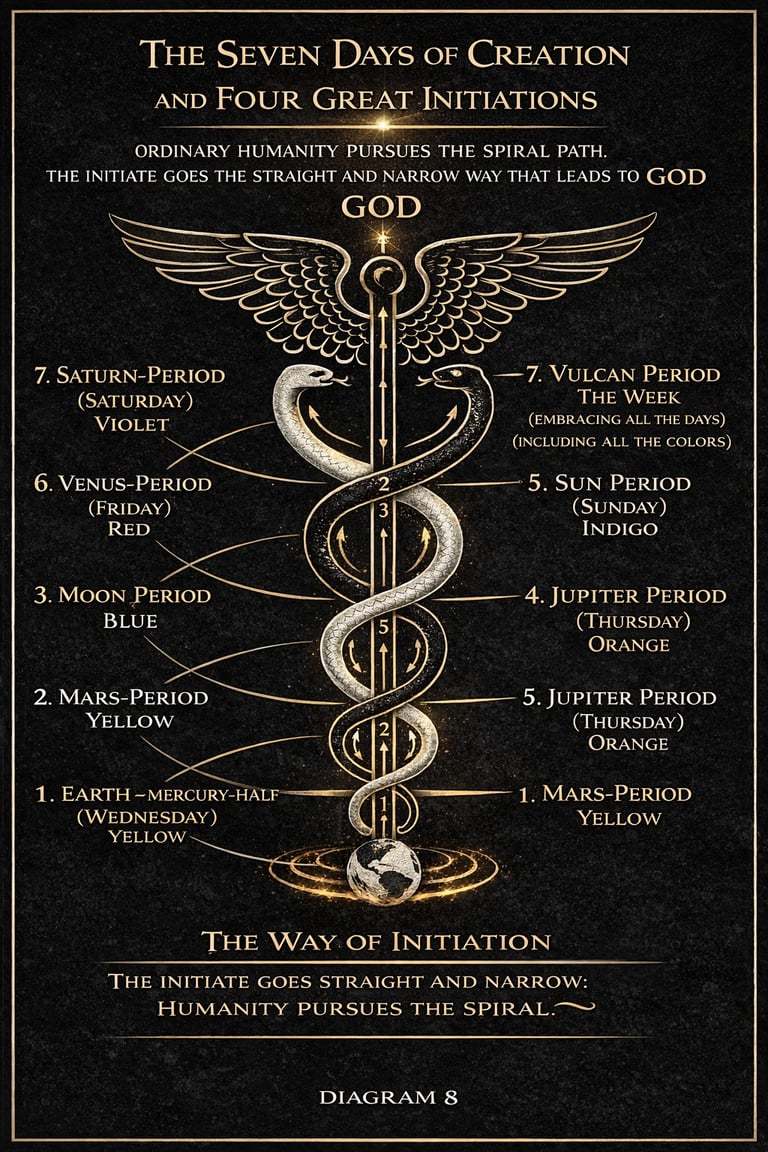
MEDICAL EMBLEM.The staff is the spine; the Qur’an calls it “the staff of Moses”! The serpent is the spinal cord; each coil becomes a “chakra”! The spinal cord is the rope of Allah descending from the brain! One who ascends becomes Adam; one who descends, an ape-like form!
APOCALYPSE BOOK
MEDICAL EMBLEM
A message in itself! A medical emblem for the sage!
It explains to you the honor hidden within you!
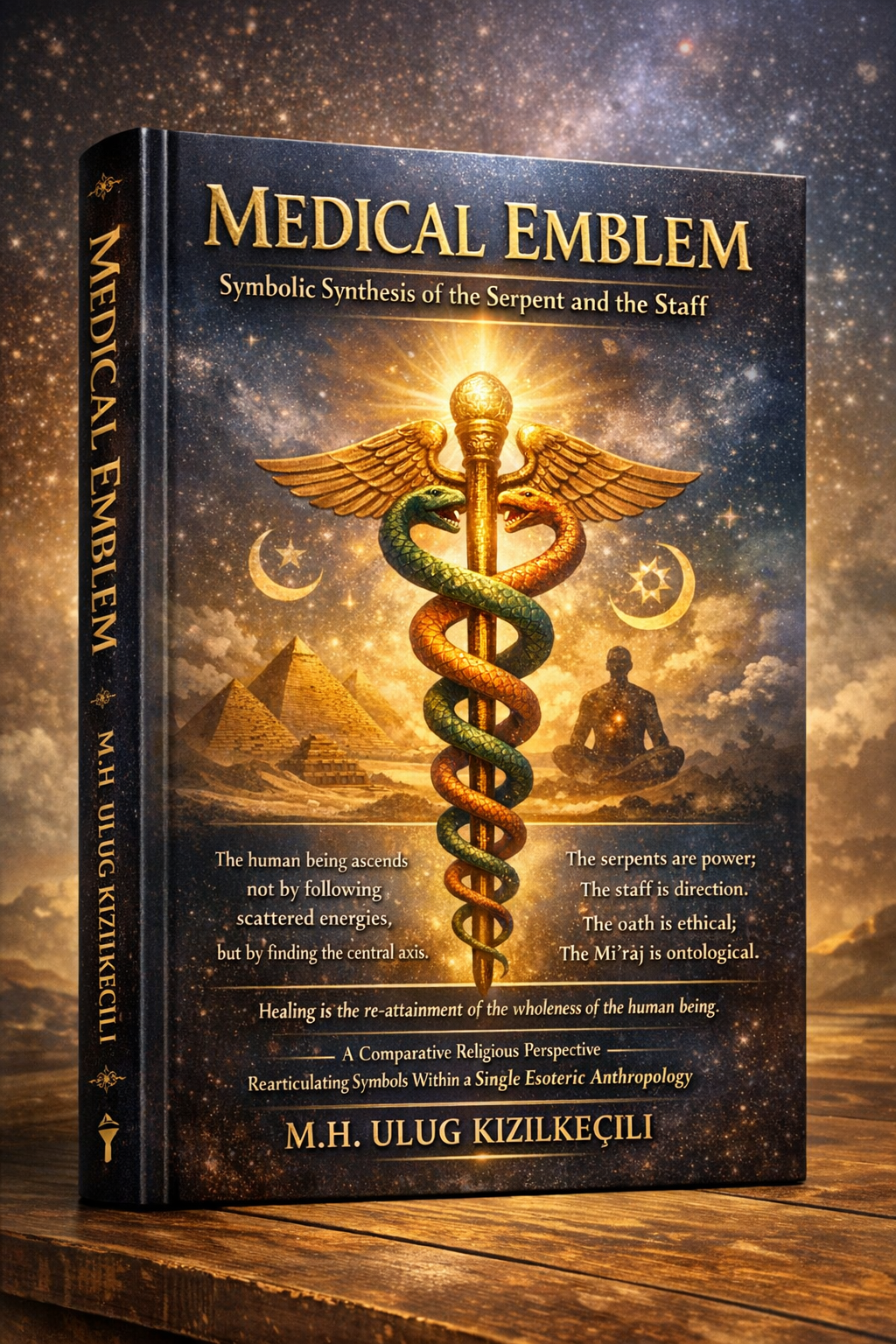
Two serpents symmetrically coiled around a staff!
Its name, the “Staff of Mercury,” makes it mysterious!
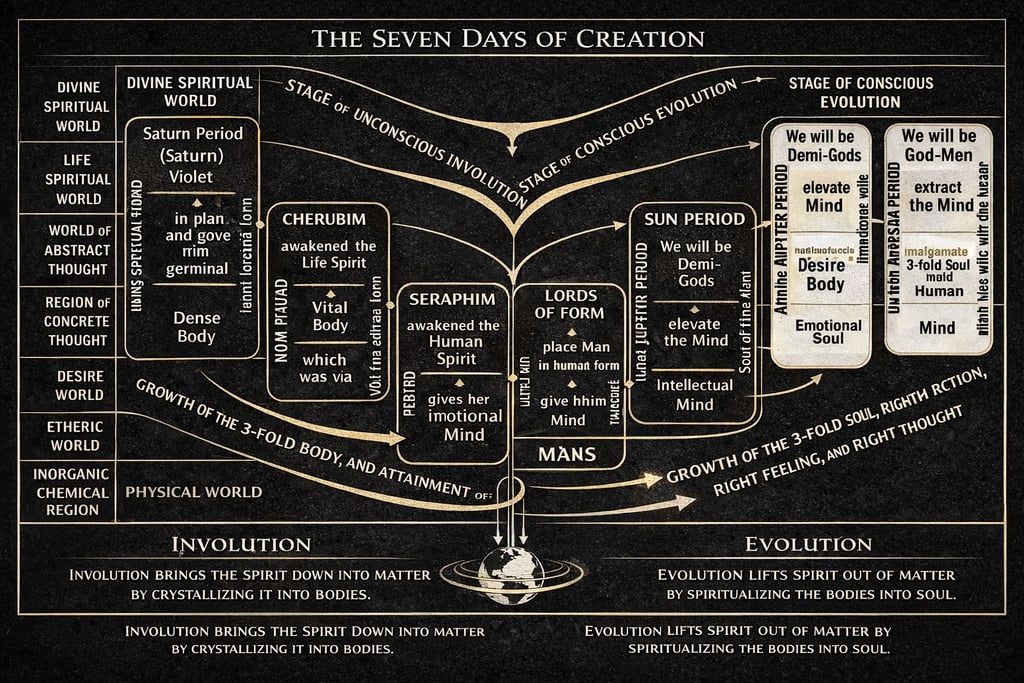
Mercury! The name of the sixth cycle of our evolution!
The human creates “through sound” when the body becomes transparent!
Each serpent forms three circular coils upon the staff!
The seventh is completed by the twin tail coils!
Behold the Staff of Mercury! Like a gene, a double helix!
Within it lies the past and the future—take heed!
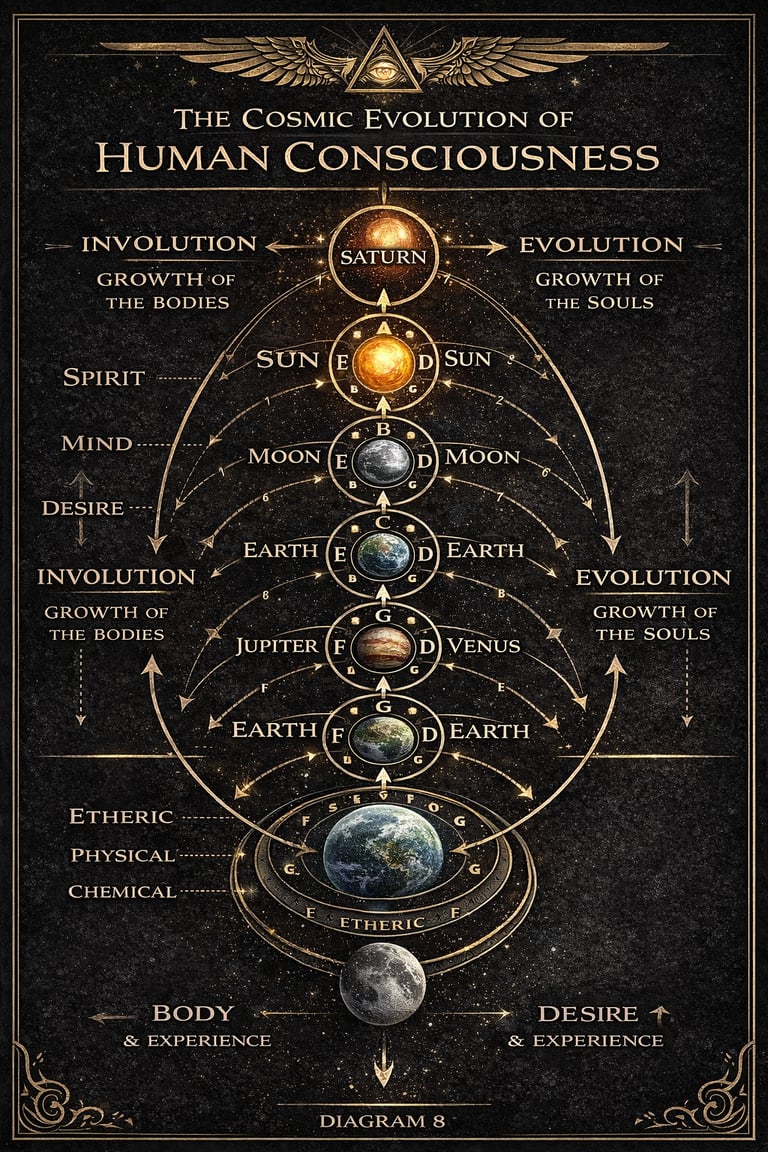
That is to say: Humanity and the Earth pass through seven stages!
At each stage, consciousness rises to a higher level!
We have passed three and a half stages—this is the midpoint, know this!
The system of consciousness still requires three and a half more!
The remaining process is long, and the path is very dangerous!
Hold the hand that Allah extends to you at this very moment!
Do not follow the serpent coils—find the “staff”!
That is the shortest “Straight Path”; your ascension is accepted!
The staff is the spine; the Qur’an calls it “the staff of Moses”!
The serpent is the spinal cord; each coil becomes a “chakra”!
The spinal cord is the rope of Allah descending from the brain!
One who ascends becomes Adam; one who descends, an ape-like form!
“Two serpents” are wrapped around the staff—learn why:
A “double spinal cord”! “Betul” for the human of Mercury! (x)
As a physician keeps the oath of Hippocrates!
You too keep your oath to the Lord—be a trusted hand! (xx)
Master M.H. Ulug Kizilkecili
Türkiye/Ankara - 18.11.2001
IMPORTANT NOTE :The original text is poetic, and the author cannot be held responsible for any errors in the English translation! To read the original Turkish text, click HERE! The following section is not the author's work, and the author cannot be held responsible for any errors made!
(x) Betul = a dual-gender transparent human
(xx) Yedd-i emin = trustee, custodian
Comparative Academic Footnotes
[1] “Two serpents symmetrically coiled around a staff”
This image directly evokes the caduceus: the staff carried by Hermes / Mercury, around which two serpents are entwined. In the classical Greco-Roman world, this symbol primarily signifies communication, mediation, transition, boundary-crossing, commerce, reconciliation, and immunity; thus, it is fundamentally associated not with “healing” but with “intermediation.” By contrast, the historical symbol of medicine is the single-serpent staff of Asclepius. The poet’s deliberate fusion of these two symbols allows the poem to be read not merely in a medical sense, but along the axis of mediation between the human and the transcendent. Therefore, the “emblem” in the text functions less as an institutional medical insignia and more as an initiatory sign indicating a cosmic transformation of human rank.
[2] “Staff of Mercury” and the Hermetic reading
Mercury in Rome is identified with Hermes in Greece. Hermes is not only the messenger of the gods but also the deity of thresholds, boundaries, transitions, and the guidance of souls. In esoteric readings, this is crucial: the staff becomes not merely an external object but a symbol of the “axis of consciousness” that moves between planes of being. The poem’s interpretation of Mercury as the “sixth phase of evolution” does not appear in classical philology; it is the poet’s original cosmology. However, in the Hermetic tradition, reading Hermes as a mediating principle between below and above, human and cosmos, body and mystery, is entirely consistent.
[3] “Each serpent… three coils… the seventh…” and the motif of seven stages
The number seven in the poem belongs to a vast symbolic field across religious history. In Indian traditions, chakra systems are often taught as seven centers; in tantric-kundalini interpretations, energy rises along the spine toward higher states of consciousness. In Judaism, Christianity, and Islam, seven signifies cosmic completeness and hierarchical order. Thus, the “seven stages” in the poem rest not on a single religion but on a universal symbolic structure describing layered maturation of the human being. Academically, it should be noted that historical Indian sources do not always present a fixed number of chakras; the widely known “seven chakra” model is a synthesis of traditional and modern interpretations. The poem adopts this modern esoteric schema.
[4] “Like a gene, a double helix”
The double helix analogy merges modern biological imagery of DNA with ancient symbolism. Historically, the caduceus does not originate from knowledge of DNA; rather, the poem uses it as a contemporary reinterpretation of an archaic symbol. On the esoteric level, the “double helix” represents the dynamic harmony of opposites: right-left, masculine-feminine, past-future, ascent-descent. In Hermetic and alchemical thought, transformation is often conceived as the reconciliation of such dualities in a higher unity. Thus, the verse constructs not historical biology but a “symbolic anthropology of transformation.”
[5] “Within it lies the past and the future”
In many traditions, the staff functions similarly to an axis mundi: a central line connecting earth and heaven, below and above, and the segments of time. In the history of religions, this axis appears as a tree, mountain, pillar, or staff. By interpreting the staff in this way, the poem transforms the human body into a cosmic axis. Consequently, “past and future” cease to be merely chronological; they become ontological time condensed within the human being. This becomes clearer when compared with motifs such as the “tree of life” or “world tree,” where the center serves as both spatial and temporal connector.
[6] The multi-valent symbolism of the “serpent”
The serpent is not a univocal symbol in religious history. In certain layers of the ancient Near East, it is linked with chaos and evil; in Greek contexts, with healing and chthonic wisdom; in Hindu and Buddhist traditions, with protective, cosmic, or energetic beings. In Buddhist iconography, the naga king Mucalinda shelters the enlightened Gautama Buddha. In Hindu narratives, nagas relate to creation, protection, and cosmic balance. Therefore, the serpent in the poem should not be read solely as “danger,” but as a simultaneously dangerous and transformative force. This duality is precisely what makes it fruitful in esoteric poetry.
[7] “The staff is the spine… the serpent the spinal cord… each coil a chakra”
These lines most explicitly draw from kundalini-chakra interpretations. As summarized in sources like Encyclopaedia Britannica, kundalini is conceived in certain tantric yogas as a coiled serpent energy at the base of the spine, which rises upward in practice. The poet translates the caduceus into human anatomy, equating the staff with the spine and the serpent with the spinal cord or broader energetic flow. The academic caveat is that classical anatomy and tantric “subtle body” models are not identical; the poem unites them on a symbolic, not biological, level. This synthesis is common in modern esotericism but not in historical medical texts.
[8] “The Qur’an calls it ‘the staff of Moses’”
Here the poem symbolically equates the staff of Hermes with the staff of Moses. In Jewish-Christian texts and the Qur’an, Moses’ staff miraculously transforms into a serpent; the narrative of the bronze serpent raised in the wilderness later connects with healing symbolism. Historically, however, the caduceus of Hermes and the staff of Moses belong to different traditions. The poem’s act is not historical identification but symbolic unification within a single initiatic axis. In esoteric interpretation, this reflects the assumption that signs appearing scattered across religions are different languages of a single underlying truth.
[9] “Do not follow the serpent coils—find the ‘staff’!”
This line clarifies the center of the symbolism: not peripheral energies, extraordinary experiences, or powers, but the central axis itself. In Indian mysticism, there is a warning against becoming attached to powers (siddhis); in Abrahamic traditions, one is urged to seek not the sign itself but what it signifies. Thus, the poem distinguishes serpent as “energy” and staff as “direction.” In Sufi terms, this aligns with the principle of “steadfastness over miracles,” even though the poem does not explicitly employ Sufi terminology. Academically, this reflects a psychospiritual reading: the search for the center rather than for phenomena.
[10] “That is the shortest ‘Straight Path’; your Mi‘raj is accepted!”
Here the spine/staff becomes not only an anatomical or cosmological axis but also a path of ascent. In Islamic resonance, Mi‘raj signifies vertical ascension; in the history of religions, it corresponds to climbing through levels of existence. Symbols such as the world tree, axis, pillar, ladder, and staff serve similar functions across traditions: carrying the human from lower to higher planes, from dispersion to center. Thus, the poem reads the human body not as a medical object but as a sanctuary architecture of ascension. The “Straight Path” is not merely ethical conduct but the return to the intrinsic central line of being.
[11] “Double spinal cord / Betul / dual-gender transparent human”
This is one of the most original and dense elements of the text. The idea of a “dual-gender human” is linked in many esoteric traditions to the unity of opposites. In ancient and late antique thought, the primordial human is sometimes conceived as androgynous; in alchemy, figures such as the Rebis symbolize the transcendence of masculine and feminine in a higher unity. The term “Betul” in the poem is not a standard technical term in classical history of religions; it represents the poet’s own metaphysical anthropology. From an academic perspective, this should be interpreted not as a biological theory but as a theme of ontological wholeness—the reintegration of the fragmented human.
[12] “Human creates through sound when the body becomes transparent”
This line can be compared with teachings of creative word, logos, sacred sound, or mantra across traditions. In the history of religions, sacred speech is often conceived not merely as expression but as generative power. The “transparency” in the poem suggests the thinning of the egoic density; “creation through sound” implies alignment with a divine mode of manifestation. While not all traditions use identical terminology, strong parallels exist among mantric, logos-centered, and theological doctrines of creative speech. The poet envisions the human, when refined, as a being whose word becomes ontologically effective.
[13] “The oath of Hippocrates… keep your oath to the Lord”
Here the poem unites medical ethics with metaphysical fidelity. The Hippocrates Oath has long been regarded as a guiding ethical text in medicine; the poem elevates it to a higher level of commitment, drawing a parallel between “the body entrusted to the physician” and “the truth entrusted to the human.” Thus, medicine becomes not merely a profession but a form of custodianship. The phrase “yedd-i emin” reinforces this: the doctor is trustee of the body; the knower is trustee of the soul. In this way, the poem synthesizes modern professional ethics with the ancient religious concept of entrusted responsibility.
Short Synthesis
In this poem, the “medical emblem” is not merely a historical symbol of medicine;
it becomes a central sign where the human’s cosmic spine, the axis of rising consciousness,
the reconciliation of opposites, and the converging lines of Moses/Hermes/Kundalini unite.
From a comparative religion perspective, the main thesis of the poem can be summarized as follows:
The human being ascends not by following scattered energies, but by finding the central axis.
The serpents are power; the staff is direction.
The oath is ethical; the Mi‘raj is ontological.
Healing, then, is not only the restoration of the body,
but the re-attainment of the wholeness of the human being.
This synthesis does not claim that historical traditions are identical;
rather, it rearticulates their symbols within a single esoteric anthropology.